
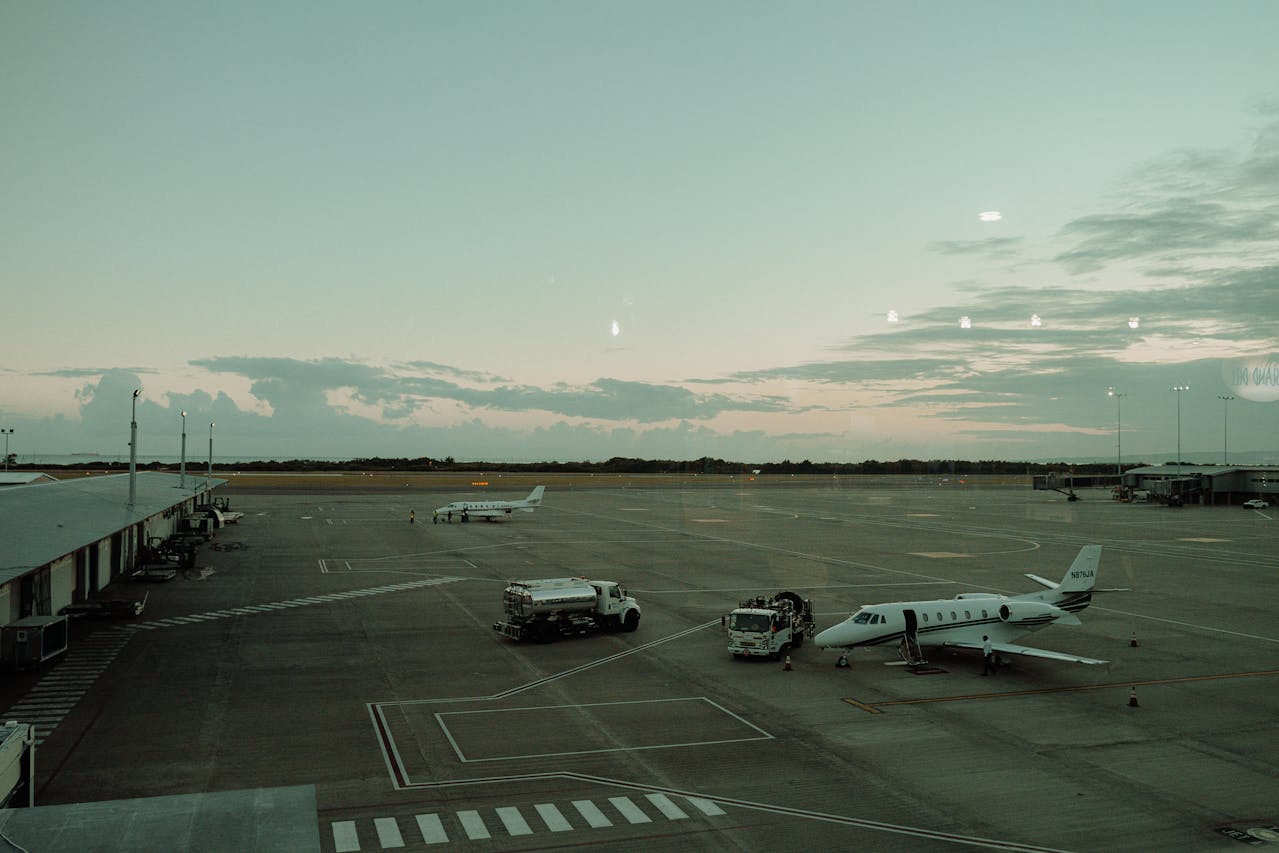
When we decide to charter private jets, we immediately think of luxury, speed, and flexibility. In reality, behind every executive flight there is a key component that heavily affects operating costs: fuel.
For a business aviation operator, refueling represents one of the most important expenses along with maintenance, crew and airport handling. Today, however, the industry is undergoing a major transformation thanks to the arrival of SAF, the sustainable aviation fuel, also called CAF (Carburante Avio Sostenibile) in Italy.
But how much does it really cost to refuel a private jet? And how much does the price increase when you choose SAF instead of the classic Jet A1?
How much does private jet fuel cost
Private jets mainly use Jet A1, a kerosene-derived fuel designed for civil aviation. It is the standard fuel used by most modern business jets, from small light jets to intercontinental aircraft such as the Gulfstream G650 or Bombardier Global 7500.
Fuel consumption changes enormously depending on the category of the aircraft.
A light jet such as a Citation CJ3 or HondaJet can consume about 250-350 liters per hour, while a midsize jet such as the Citation XLS+ can exceed 700 liters per hour. Large long-range jets, on the other hand, can reach over 2,000 liters per hour.
This means that even a simple European flight can require thousands of euros in fuel.
For example:
-
a private flight from Rome to Ibiza by light jet can require about 1,500-2,500 euros in fuel;
-
a Milan – Mykonos route with a midsize jet can exceed 4,000 euros;
-
a private jet London – Dubai with a heavy jet can easily reach over 20,000 euros in fuel.
Of course, the price varies according to:
-
To the cost of Jet A1 at the individual airport;
-
to airport taxes;
-
To the availability of fuel;
-
To energy supplements;
-
to geopolitical crises affecting oil.
At Europe’s most exclusive business airports, such as Farnborough Airport or Paris Le Bourget Airport, fuel costs tend to be higher than at other regional airports.
- When chartering a private jet choosing the right airport can save on costs.
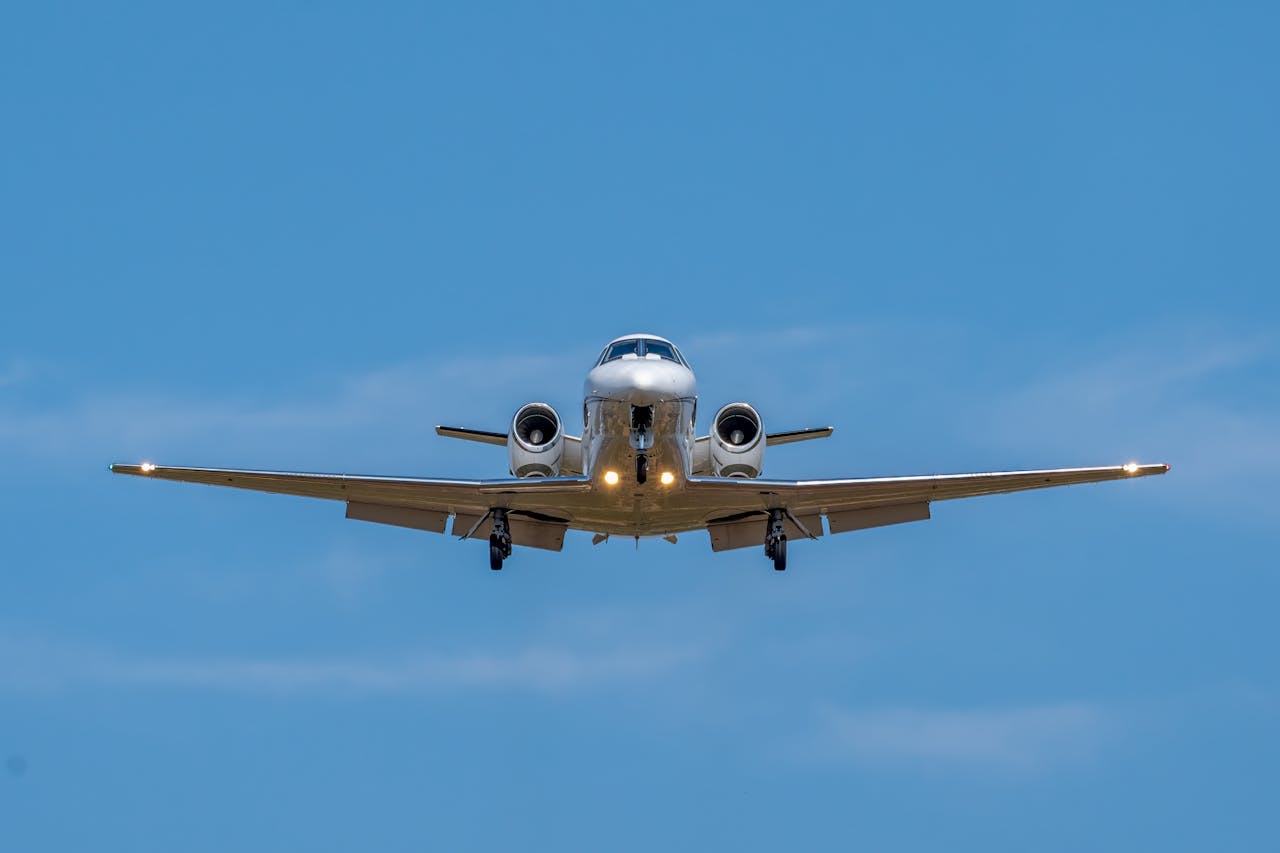
What is sustainable aviation fuel SAF or CAF
In recent years, the private aviation industry has begun to introduce SAF, which stands for Sustainable Aviation Fuel. In Italy it is also often referred to as CAF, meaning Sustainable Aviation Fuel.
It is a fuel produced from renewable sources and organic materials, including:
-
Spent edible oils;
-
agricultural residues;
-
biomass;
-
processed municipal waste;
-
Synthetic fuels produced from renewable energy.
The big difference from traditional Jet A1 is in emissions: SAF can reduce cycle CO₂ emissions by up to 60-80% compared to traditional fossil fuel.
One of the most interesting aspects is that SAF can be used in current private jets without modifying engines or aircraft. It is in fact blended with conventional fuel in varying percentages.
How much does it cost to refuel with SAF
And this is where the real problem comes in: price.
Today SAF generally costs 2 to 4 times more than traditional Jet A1.
This increase depends on several factors:
-
Still limited production;
-
growing demand;
-
Insufficient airport infrastructure;
-
Very expensive industrial processes;
-
availability concentrated in a few airports.
In Europe, the airports best equipped for SAF are mainly those in Northern Europe, such as Amsterdam, Stockholm, Oslo, Copenhagen, and some major hubs in London.
Examples of SAF costs on European routes
To better understand the real impact of CAF on private flights, we can give some indicative examples.
Milan – Paris with light jet
With conventional fuel:
-
estimated fuel cost: about 1,500 euros
With use of SAF:
-
estimated cost: 3,000-5,000 euros
London to Ibiza with midsize jet
With Jet A1:
-
about 4,000 to 5,000 euros of fuel
With SAF:
-
up to 8,000-12,000 euros
Geneva – Dubai by heavy jet
With conventional fuel:
-
over 20,000 euros
With SAF:
-
even over 40,000 euros
Of course, the prices of traditional fuel and SAF sustainable aviation fuel are variable, so if you want to get an accurate cost estimate contact us and request a quote personalized.
In many cases, operators do not refuel 100% SAF, but use partial blends to keep costs down. This is why “SAF surcharge,” i.e., a surcharge dedicated to sustainable fuel , often appears in quotes.
Which private jets consume the most fuel and which consume the least
In the business aviation sector, there are huge differences in fuel consumption among the various categories of private jets.
The choice of aircraft directly affects not only rental costs, but especially operating expenses and refueling, whether with traditional Jet A1 or SAF.
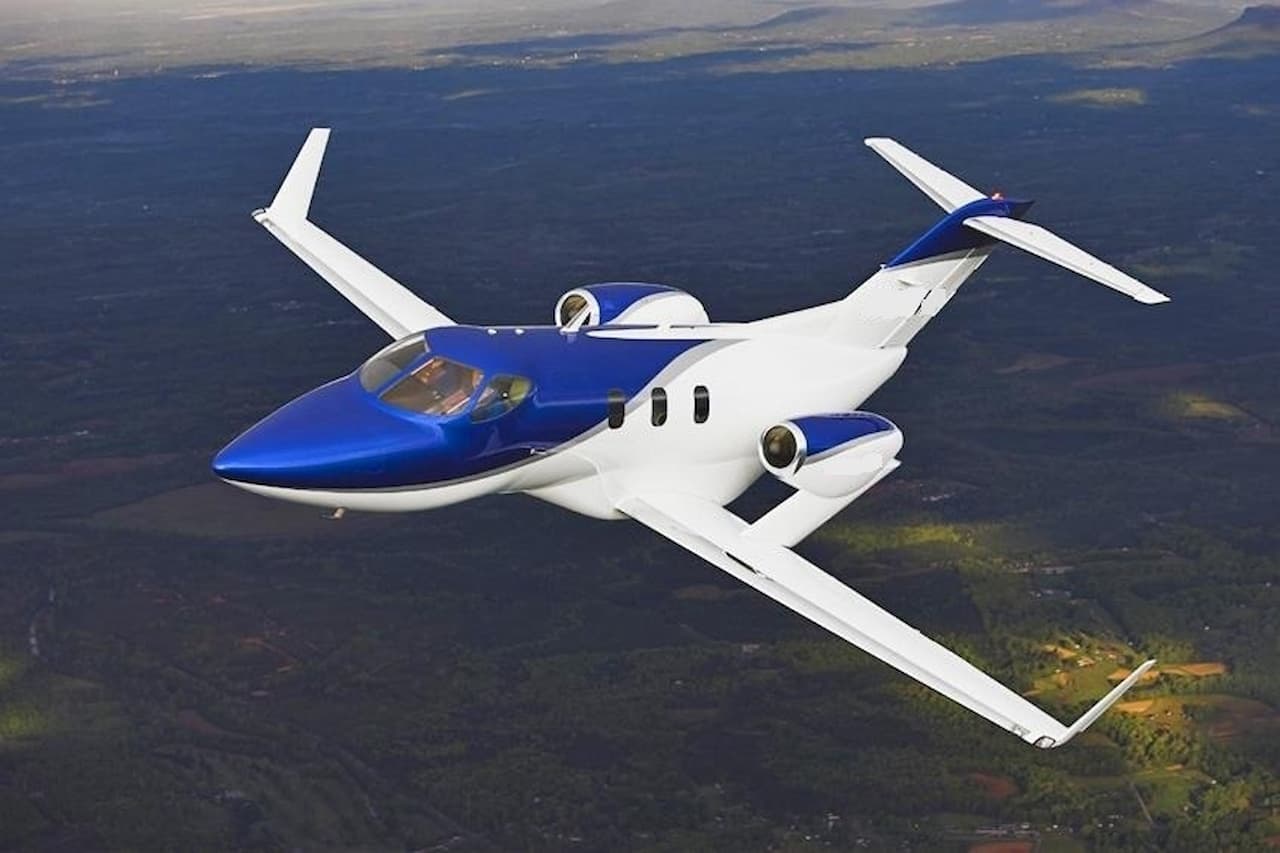
The most fuel-efficient private jets are generally light jets and very light jets, designed for short to medium routes in Europe. Models such as the HondaJet HA-420, Cessna Citation CJ3, or Embraer Phenom 300 can consume on average between 250 and 450 liters of fuel per hour.
This means that a route such as Milan-Nice or Rome-Mykonos can require relatively small amounts of fuel compared to larger executive aircraft. These are popular aircraft for entrepreneurs, managers and customers who want to reduce operating costs while still maintaining comfort, speed and access to smaller airports.
Among the most efficient business jets in recent years is often cited theHondaJet, due to the special configuration of the engines above the wings that helps reduce fuel consumption and noise.
Going up in category also rapidly increases fuel consumption. Midsize jets, such as the Citation XLS+, Learjet 60 or Hawker 800XP, can easily reach 700-1,000 liters per hour, especially on longer routes or with full passenger loads.
The highest fuel consumption, however, belongs to large intercontinental jets designed to connect Europe, the Middle East, the United States or Asia nonstop. Models such as the Gulfstream G650, the Bombardier Global 7500 or the Dassault Falcon 8X can easily exceed 1,800-2,500 liters of fuel per flight hour.
In such cases, refueling becomes a staggering expense item. An intercontinental flight with a heavy jet can require tens of thousands of euros in conventional fuel, a figure that increases further if SAF or CAF is used.
The aircraft’s internal configuration, luggage weight, weather conditions, and runway length also affect final fuel consumption.
For this reason, private jet operators carefully study each route, often looking for airports with less expensive fuel or tankering strategies, that is, loading additional fuel at more convenient airports to avoid more expensive subsequent refueling.
Why sustainable SAF fuel is still not widely used in private aviation
The main problem remains availability.
According to several industry reports, SAF still accounts for a minimal share of aviation fuel used in Europe. Global production is insufficient compared to the growing demand from airlines and business aviation.
Large airlines also often have priority agreements with manufacturers, leaving much smaller quantities to business aviation.
For this reason, many executive flights continue to use traditional Jet A1, possibly offsetting emissions through carbon offset programs or “Book & Claim” systems.
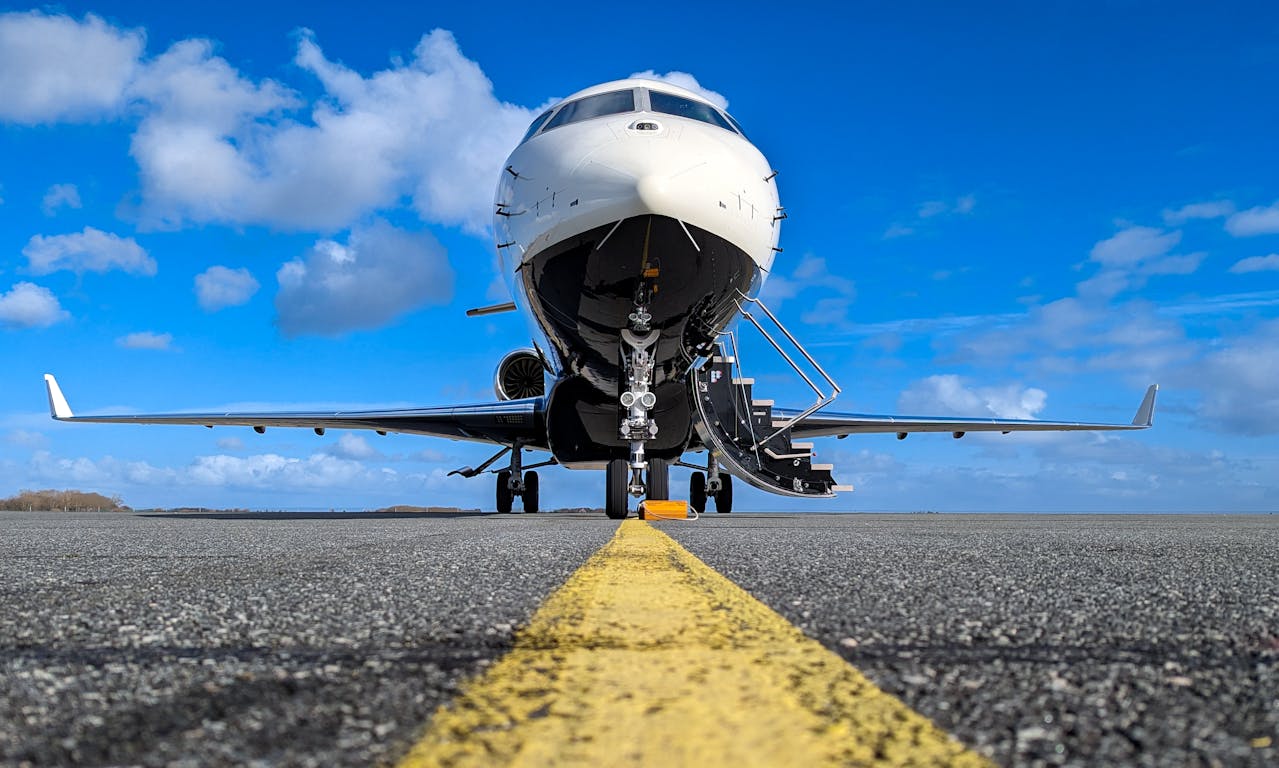
The future of sustainable fuel in private jets
Despite its high cost, SAF is now the most practical solution for reducing the environmental impact of private aviation without sacrificing the performance of business jets.
The European Union is already imposing minimum quotas for sustainable fuel use through the ReFuelEU Aviation program, which is set to gradually increase in the coming years.
This means that SAF will also become increasingly present in the world of private jets, especially in corporate flights and executive travel related to the ESG policies of large corporations.
In the meantime, however, sustainable flying still remains a luxury within a luxury: those who choose sustainable fuel for their private jet must be prepared to face significantly higher costs than the traditional Jet A1.
Also read other articles from the PrivatejetFinder Blog:
- Chartering a private jet: extra costs that affect the final price
- How private jet placement affects rental price
- Crew Overnight Fees: what they are and how much they cost