
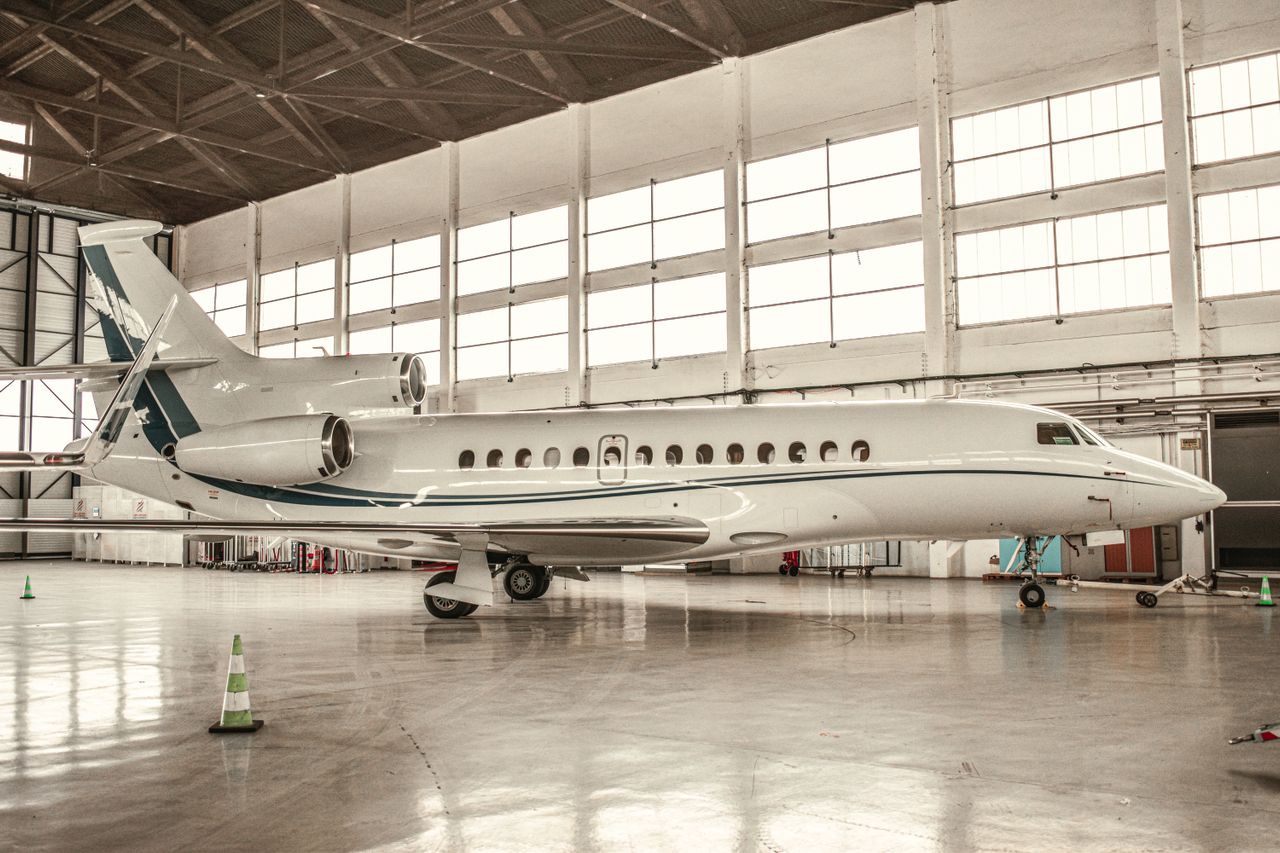
Saint-Tropez in just over two hours from London, avoiding long lines at security checkpoints, crowded terminals, and the traffic that brings the French Riviera to a standstill during peak season. This is one of the main advantages of chartering a private jet on one of Europe’s most popular business and leisure routes between May and September. However, between choosing a departure airport, using dedicated business jet terminals, and the new taxes introduced in France, there are a few things you should know.
How much does a private jet from London to Saint-Tropez cost?
The London–Saint-Tropez route is about 1,050 km (650 miles) long, and the flight takes just over 2 hours in a light or midsize jet. The cost of chartering a private jet between these destinations depends primarily on three factors: the type of aircraft, the departure and arrival airports, and the time of year (the high season, from June to September, drives up rates due to concentrated demand).
As a rough market reference: a one-way flight from London Biggin Hill to Saint-Tropez La Môle on a light jet costs around €10,750. After the post-COVID peak, the market has stabilized but remains highly sensitive to demand: booking in advance for July and August makes a real difference in price.
Are there any special fees for landing in France?
An important clarification is needed here, because this is a point that causes confusion: the new French business aviation tax (TSBA) is not paid for landing in France, but for boarding at a French airport. In practice, nothing is charged on the London→Saint-Tropez flight; however, it applies to the return flight from Saint-Tropez to London, because that is where the passenger boards on French soil.
Effective as of March 1, 2025, and extended without changes through March 31, 2027, the tax varies by aircraft type and distance.
Some useful details for those preparing a quote:
-
You pay per passenger on board, not per seat or per flight: a full plane costs more than one with just one passenger;
-
Children under 2 years of age are exempt;
-
A positioning flight (empty leg, without passengers) is not taxed;
-
If the return flight departs within 24 hours of a connecting flight, no second fee will be charged.
In addition to this, as at any airport, there are the usual airport fees: landing fees, ground handling, and, at La Môle in particular, parking fees (which are limited and subject to a charge during the summer months, when the airport operates almost exclusively on a “touch-and-go” basis: land and take off immediately). Generally, all these items are included in the all-inclusive quote, with no surprises after booking.
Which plane should I charter for Saint-Tropez?
The choice of flight is actually determined almost entirely by the arrival airport. If the goal is to land directly in Saint-Tropez La Môle, the short runway requires specific aircraft models:
-
Turboprops: King Air, ideal for short runways and for operations in hot or windy conditions that sometimes limit jets;
-
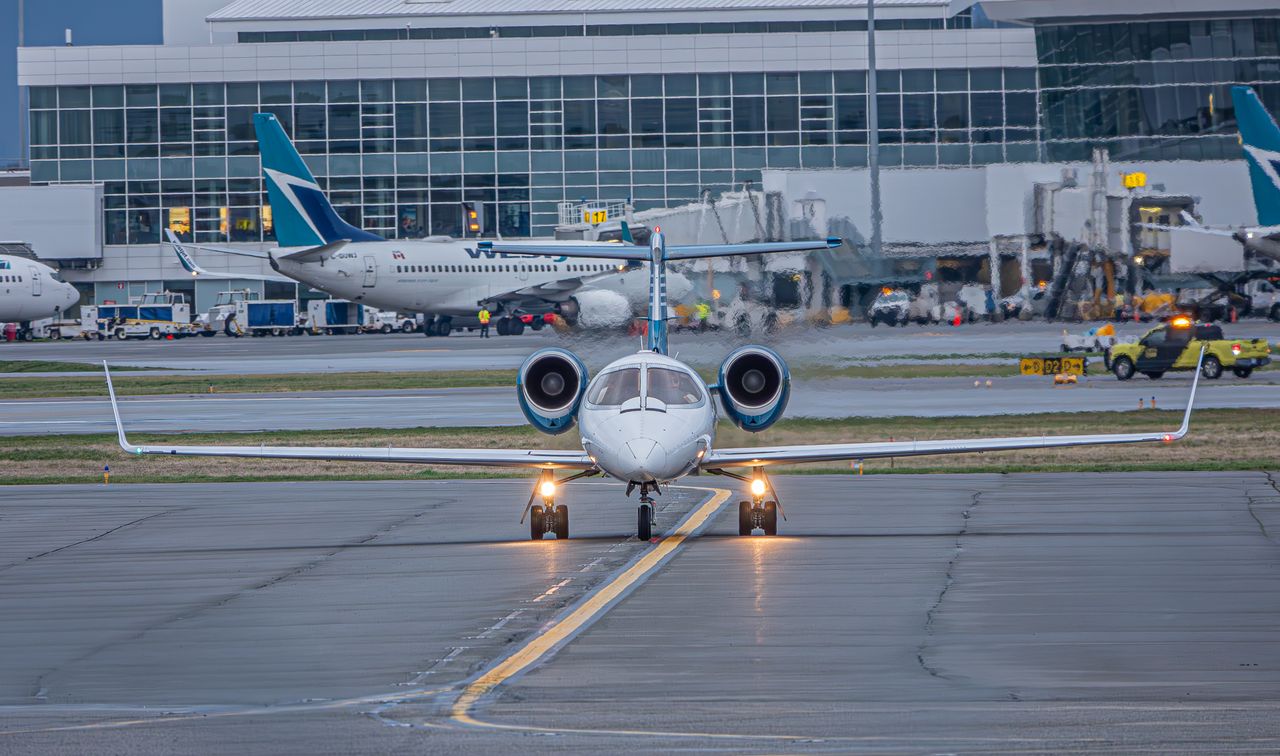
Light jets / lighter jets: Citation Mustang, Phenom 100, Phenom 300, Citation CJ4 — the most common choices on this route;
For large groups or for those who prefer a larger, more comfortable aircraft (super-midsize, heavy jet), the best option is to land in Nice or Cannes and then taking a helicopter to Saint-Tropez (about a 20-minute flight). This is a compromise that many operators recommend by default during peak season, as it also avoids congestion at La Môle on busy weekends.
Saint-Tropez Airport: La Môle (LTT / LFTZ)
There is no airport in Saint-Tropez in the strict sense of the word: the actual airport is La Môle – Aéroport du Golfe de Saint-Tropez, located about 15 km southwest of the city. It is one of the smallest international airports in the world, and it has a few features you should be aware of before suggesting it as a destination to a client:
-
A single, paved runway (06/24), 1,180 m long: this is the main constraint, and it is the reason why large jets cannot operate here;
-
Operates only during the day: no runway lighting, so no night flights; approximate hours are 8:00 a.m.–7:00 p.m. in the summer and 9:00 a.m.–5:00 p.m. in the winter, with the possibility of requesting extended hours;
-
Seasonal customs operations: The border crossing for international flights is open only from June 15 to September 30. Outside this period, international flights must use Toulon-Hyères, Cannes-Mandelieu, Nice, or Marseille;
-
Weather-sensitive: winds exceeding 30 km/h or very high temperatures (which affect the road surface) may cause rerouting to Toulon-Hyères;
-
Parking is extremely limited in the summer: during peak season, planes drop off passengers and take off again almost immediately, without staying for long;
-
A single FBO, operated by Sky Valet, that provides ground handling, a private lounge, and concierge services.
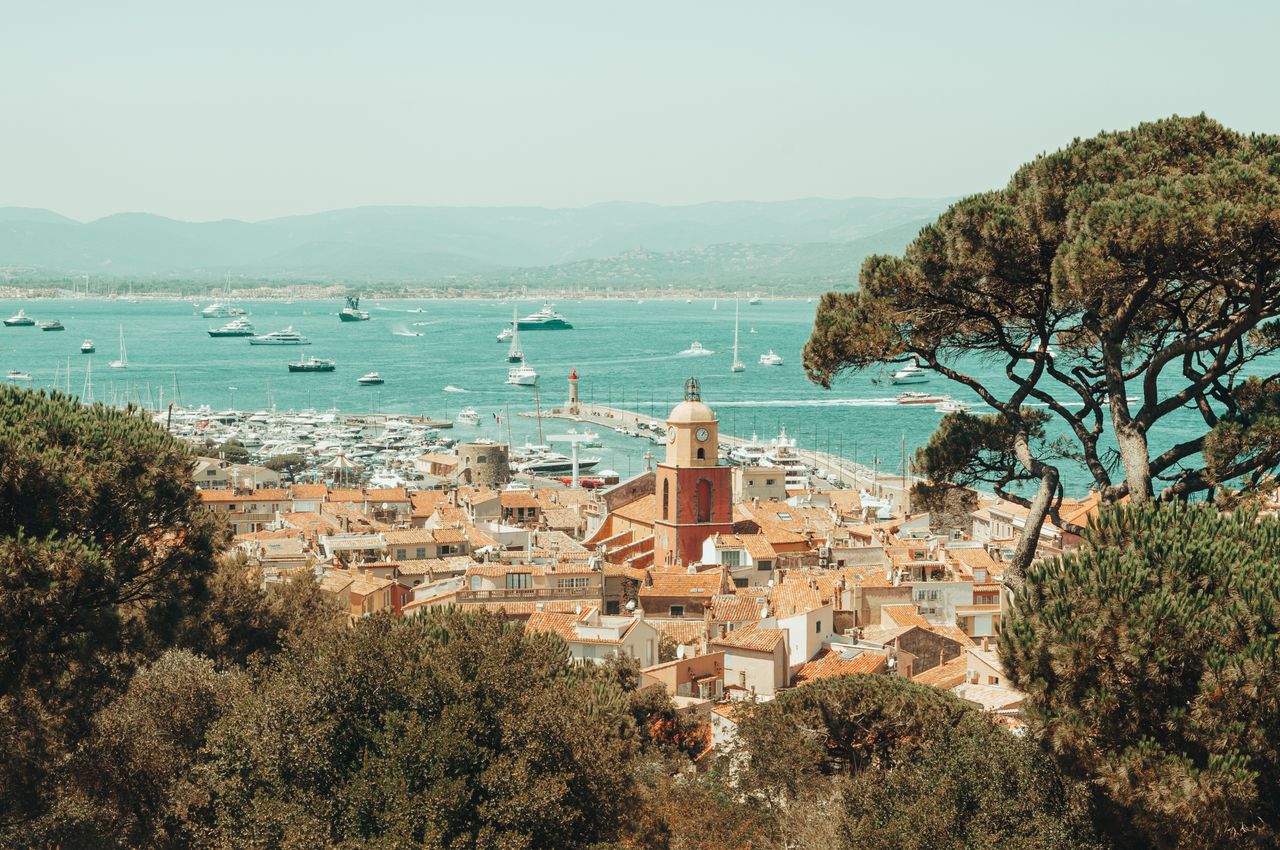
Which London airport is better to fly out of: Biggin Hill or Farnborough?
These are the two private airports par excellence in London, and the choice between them depends more on the client’s profile than on the aircraft:
Biggin Hill (BQH) — about 16–19 km from the city center — is the closest airport dedicated entirely to private aviation (no commercial traffic). Key features:
-
Landing and handling fees are generally 20–30% lower than in Farnborough;
-
no restrictions on flight slots, making it the best airport for last-minute departures;
-
a 6- to 10-minute helicopter ride to Battersea;
-
Operating hours: It closes at 11:00 p.m. on weekdays (8:00 a.m.–10:00 p.m. on weekends), so it’s not suitable for those who need late-night hours.
- Be sure to also read our article on the best London airports for private jets.
Farnborough (FAB) — considered the most prestigious and exclusive business aviation airport in the United Kingdom. Key features:
-
a 2,440-meter runway capable of handling any type of aircraft, including ultra-long-range aircraft (which would be useful if the route changes in the future or an intercontinental segment is added);
-
utmost discretion and VIP facilities that are among the best in Europe;
-
On the other hand, landing and handling fees can be 30–40% higher than at Biggin Hill;
-
The same closing time policy applies: 10:00 p.m. on weekdays, 8:00 p.m. on weekends.
- Our in-depth look at London’s Farnborough Airport.
In summary: for a private flight to Saint-Tropez La Môle on a light jet or turboprop—where the limiting factor is not the size of the aircraft but the cost and flexibility of the slot— Biggin Hill is often the most efficient choice. Farnborough remains the preferred option for those who prioritize maximum privacy or travel on larger aircraft, perhaps with the intention of using Nice as a base rather than La Môle.
How Much Does It Cost to Charter a Private Jet: The Complete Guide to Luxury Charters

The price of a charter flight depends on many factors —not only the route, but also the aircraft’s location, crew expenses, extra overnight stays on the ground, catering, taxes, and any last-mile transportation. For a comprehensive overview of how the final price of a charter is calculated, these insights are a good place to start.
- How Much Does It Cost to Charter a Private Jet in Europe: A Guide to Costs.
- Which plane should I rent?
- The Most Luxurious Mediterranean Cruises in the Summer.
- The Best Airports on the French Riviera for Private Jets
- The Luxury of the Last Mile: Renting Cars, Helicopters, and Yachts After Landing
Contact Privatejetfinder.com for a personalized quote
Charter a luxury private jet from London Biggin Hill to Saint-Tropez There are several factors that can significantly affect the price: the arrival airport (La Môle or Nice), the type of aircraft, the date, and, as noted, the French tax on the return flight.
Contact PrivateJetFinder.com for a quick, personalized quote based on your exact route, with no hidden surprises in the final price.