
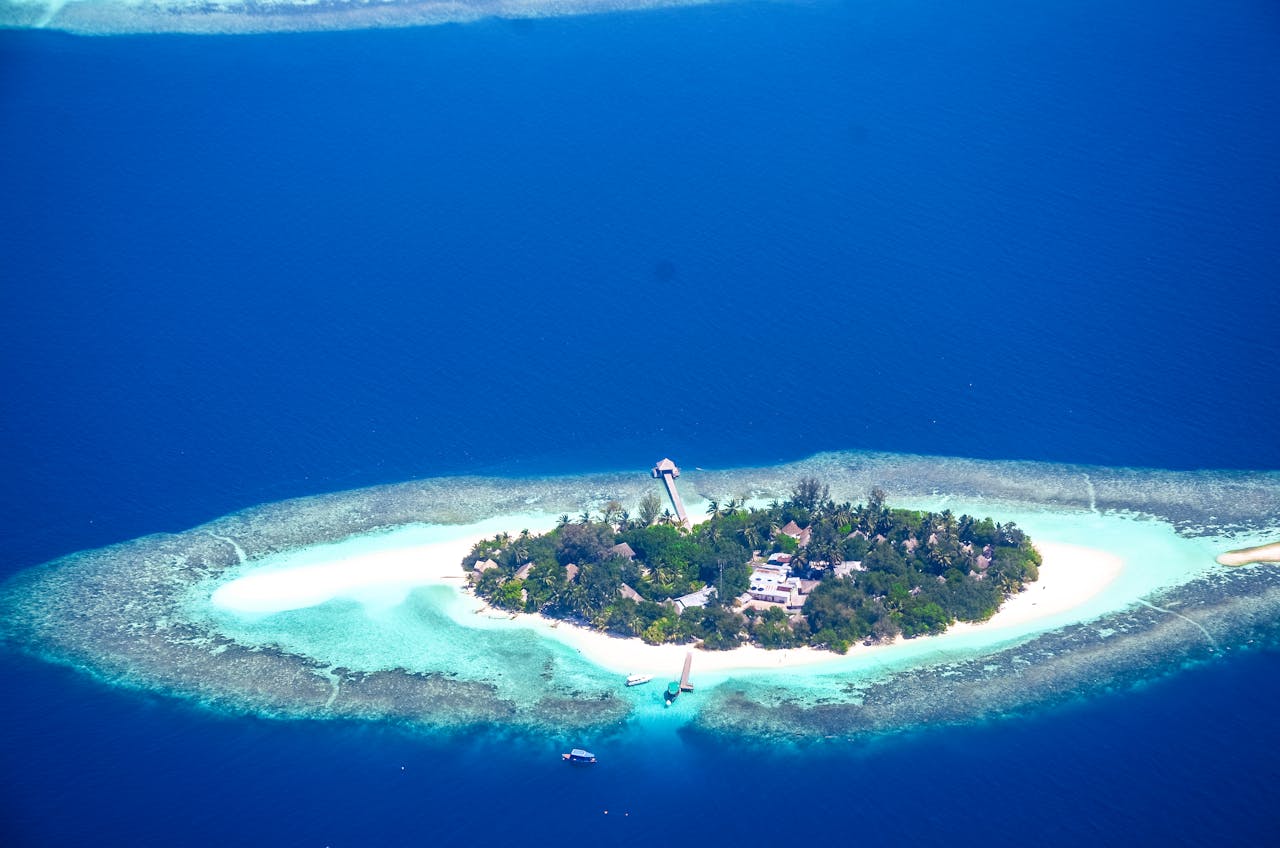
May 2026 – A submerged cave in theVaavu Atoll. Fifty meters deep. Five experienced Italian divers who do not return to the surface.
TheMaldives tragedy has brought back to the center of public debate a concept most of us encounter only in physics textbooks: the Venturi effect. A two-century-old principle that silently governs our reality-from water in ocean caves to air flowing around the wings of a business jet at an altitude of 12,000 meters.
What happened to the underwater explorers in the caves of Alimathaa
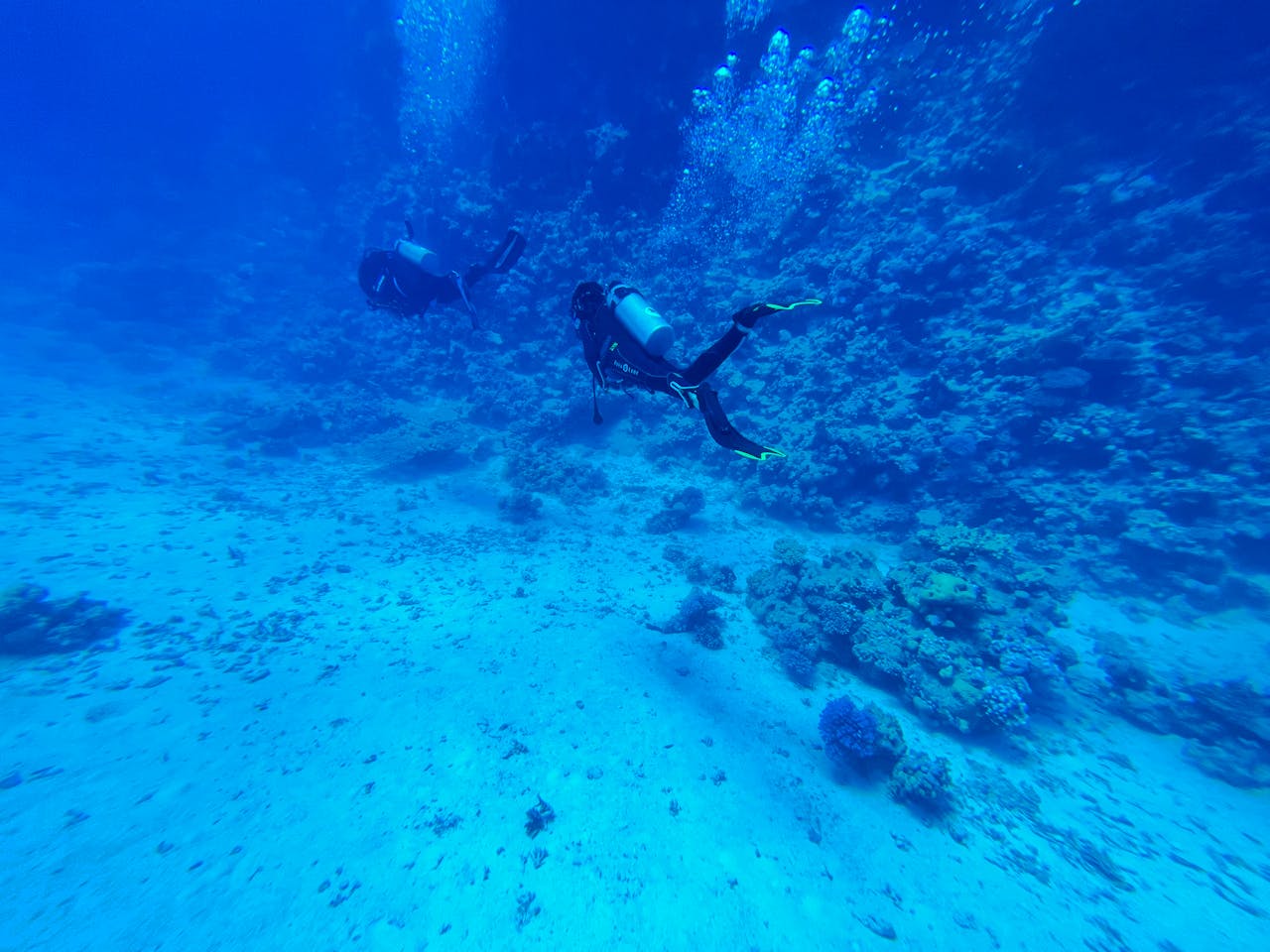
On May 14, 2026, a group of five Italian divers-including Professor Monica Montefalcone of the University of Genoa and her daughter Giorgia-dived near the Vaavu Atoll in the Maldives to explore a cave system about 50 to 60 meters deep. None of them returned; they all died.
Initial hypotheses pointed to nitrogen narcosis, faulty breathing mixtures, and disorientation. But in the last few hours a more precise hypothesis has emerged, formulated by Alfonso Bolognini, president of the Italian Society of Underwater and Hyperbaric Medicine: the divers would have been sucked inside the cave by a very powerful current, generated by the particular conformation of the site-three connected chambers, with one entrance and one exit. An almost perfect physical trap.
The technical name for this phenomenon is the Venturi effect.
Giovanni Battista Venturi and the fluid paradox
Giovanni Battista Venturi was an 18th-century Italian physicist. His seemingly counterintuitive discovery established a fundamental law of fluids:
When a fluid (liquid or gas) passes through a narrowing conduit, its velocity increases and its pressure decreases.
The narrower the passage, the more the fluid accelerates. This is the so-called “hydrodynamic paradox”: we would expect the pressure to increase where there is less space, but exactly the opposite happens.
In the cave in Vaavu Atoll, the channel-like conformation with an entrance and exit created a funnel effect: the sea current, channeled into the cavity, accelerated violently at the entrance. Divers-even the most experienced-would have been faced with a force they could not counter.
The Venturi effect in aviation: same principle, opposite consequences
The Venturi effect is not just a hidden danger underwater. In aviation, it is a key ally-and, in some circumstances, an equally serious risk.
1. Lift: why a jet flies
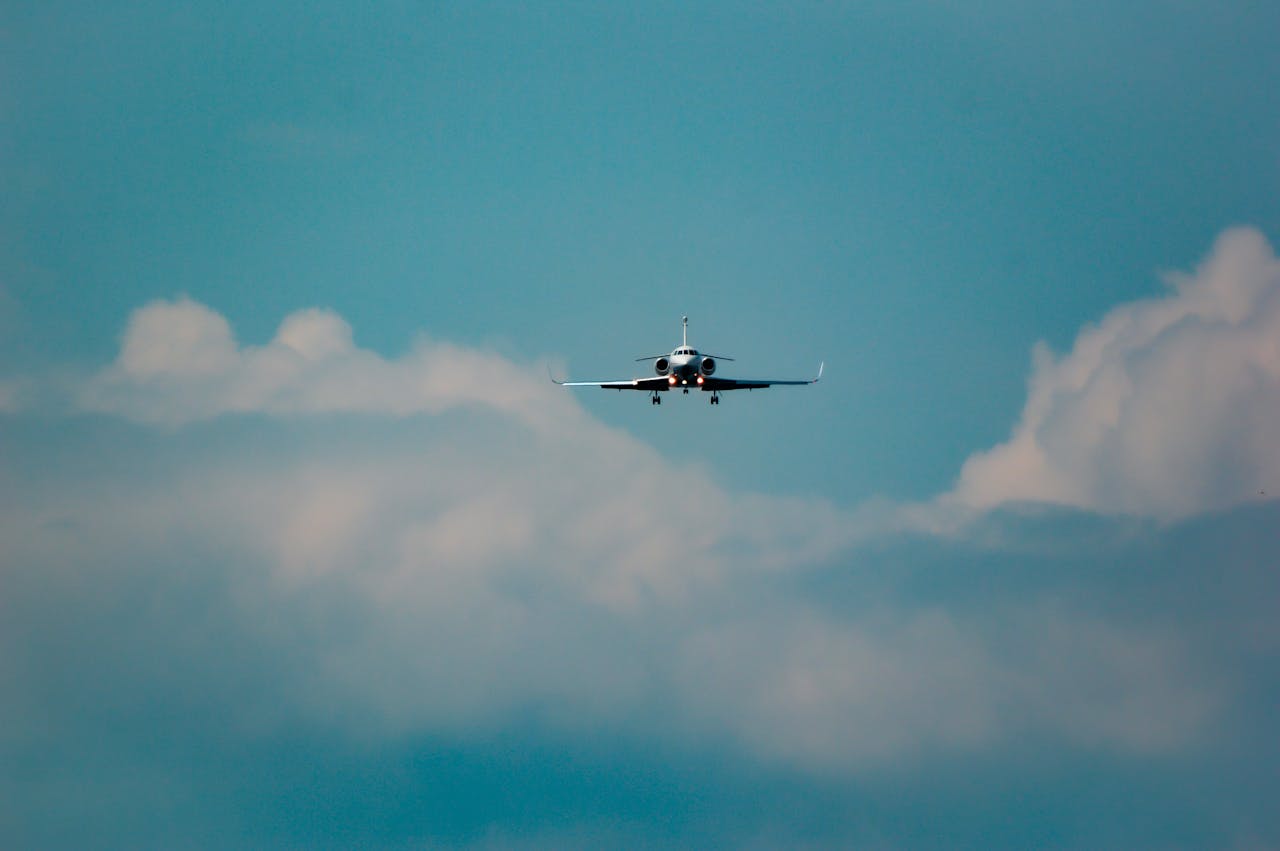
The airfoil of every aircraft-from small Cessnas to business jets such as the Gulfstream G700 or Bombardier Global 7500-is designed by directly exploiting the Venturi effect.
The upper surface of the wing is more curved than the lower surface. The air flowing over it travels a longer path in the same time, so it must accelerate. Higher speed means lower pressure (Venturi). Air under the wing, on the other hand, flows more slowly and maintains higher pressure.
This pressure difference generates lift: the force that lifts tens of tons of steel into the air.
Every time you get on a private jet and take off, you are literally flying thanks to the same principle that-in the caves of the Maldives-has turned into a death trap.
2. Turbofan engines: caged air.
In modern turbofan engines mounted on business jets (Rolls-Royce Pearl, Pratt & Whitney Canada PW800, GE Passport…), the Venturi effect comes into play in the air intakes and internal diffusers.
Incoming air is first compressed-the duct cross section narrows, the velocity increases-then decelerated in a controlled manner to optimize combustion. Designing these geometries is one of the most complex engineering challenges in modern aviation.
3. Wind shear from terrain: when the venturi becomes the enemy
As in underwater caves, the Venturi effect can also become dangerous in flight-especially when landing and taking off in mountainous or urban areas.
When the wind is funneled between buildings, hills or mountains, it suddenly accelerates. This phenomenon, known as wind shear from terrain, can cause the relative air speed to change dramatically and unpredictably, with effects on lift that can challenge even the most experienced pilots.
For this reason, weather maps for private aviation always mark wind shear hazard areas. Those planning a flight in alpine areas or areas with special land conformations should take this into account.
4. The carburetors of piston engines.
Light aircraft with piston engines (many of which are still used for pilot training or touring flight) mount carburetors that literally take advantage of the Venturi tube: a variable-section duct where air accelerates, pressure drops, and fuel is automatically drawn in and mixed. An elegant, mechanically simple system that works by the same law that created the fatal current in Alimathaa Cave.
What does the story of the Italian divers who died in the Maldives teach us?
The Maldives tragedy is, first and foremost, a bereavement. Five people-researchers, sea enthusiasts, professionals-lost their lives in circumstances that investigations are still clarifying .
But it also reminds us of something important: physics has no exceptions. Not for experienced divers, not for pilots with thousands of flight hours. The Venturi effect operates with equal indifference in a cave at -50 meters and in the wing of a jet cutting through clouds at Mach 0.85.
The difference-between those who exploit it and those who fall victim to it-lies in knowledge, planning, and adherence to limits.
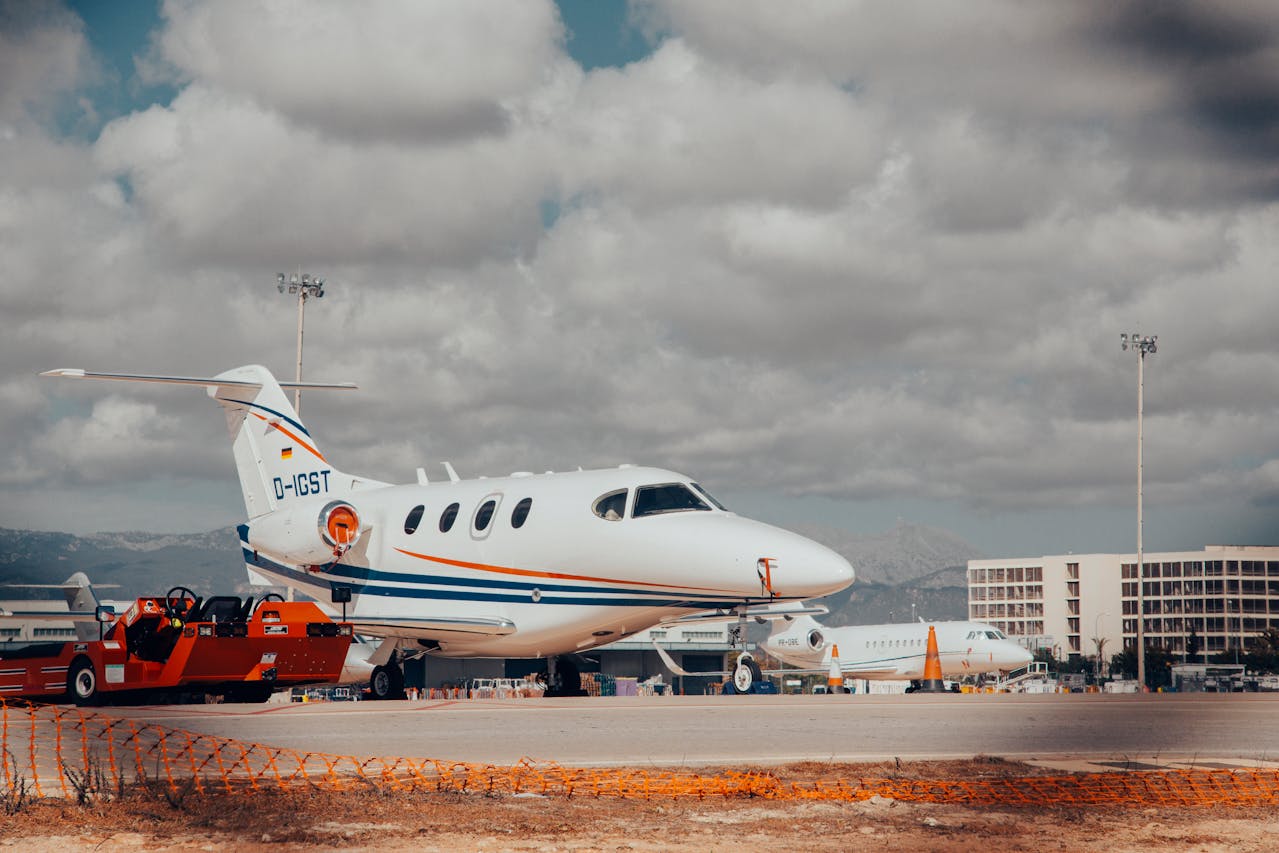
For those flying by private jet: what to keep in mind
If you are a frequent traveler on private jets or are considering becoming one, these are not just academic curiosities:
-
Choose certified operators such as PrivateJetFinderwho schedule private flights to every destination taking into account actual weather conditions, including the risk of wind shear.
-
Always ask for the pre-flight briefing: on a quality charter, the pilot or crew will brief you on the weather conditions of the route-it’s not just a formality.
-
The flexibility of the private jet is a safety advantage: unlike a scheduled flight, a charter can change course, altitude, or departure time within minutes to avoid adverse conditions. Use this privilege.
The sky is governed by the same laws as the sea. Knowing them is the first step to flying – and diving – safely.