
People who choose private aviation often do so for a very simple reason: time. Not the time spent flying, but the time saved— no check-in, no waiting, and the freedom to depart whenever you want. But there’s another, less-discussed factor that directly affects total travel time: the private jet’s cruising speed.
On short and medium-haul European routes, the difference between one jet and another may seem marginal—just a few minutes out of an hour-long flight. But on longer routes, or for frequent flyers, those minutes add up to hours saved each year. This article ranks the fastest private jets available today for European routes, with concrete examples of routes and actual flight times.
Cessna Citation X: The Speed Record Among Business Jets
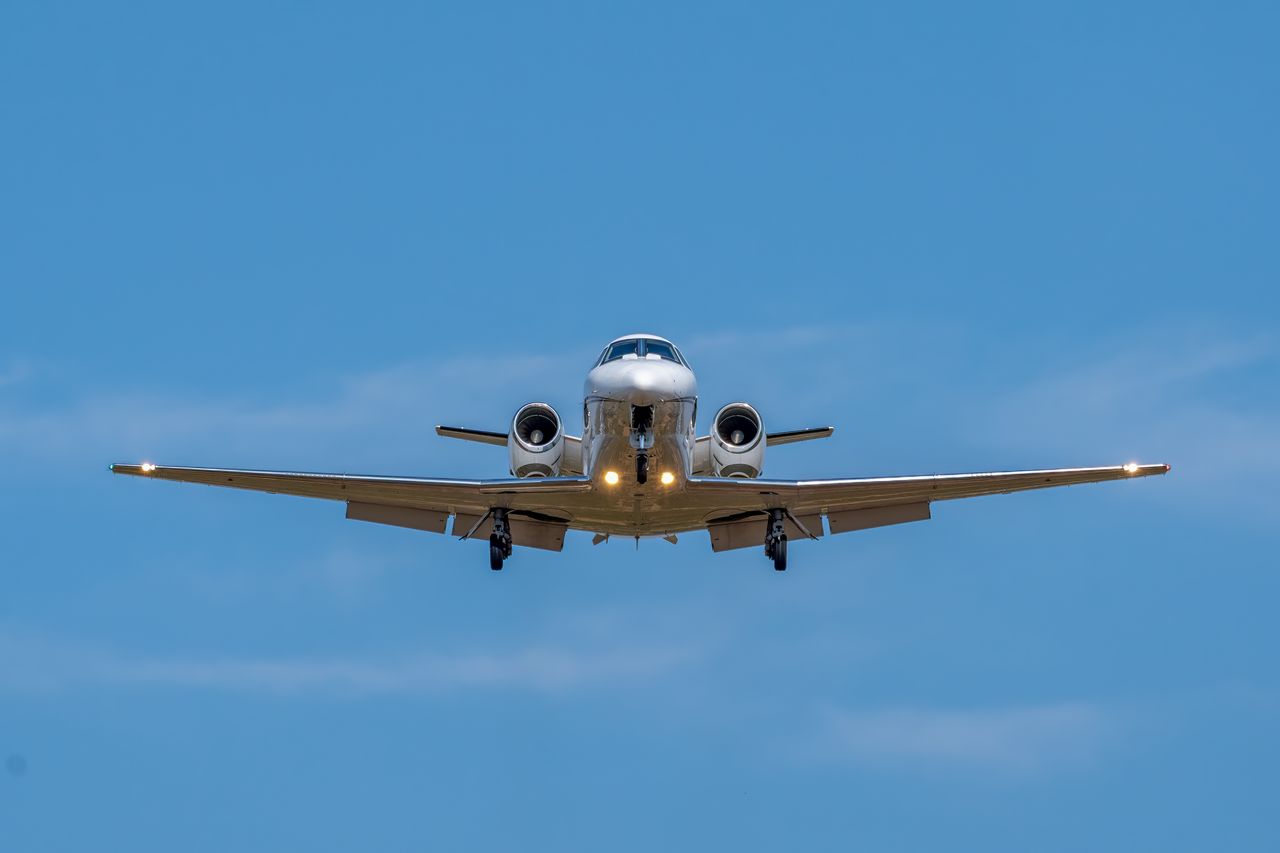
The Cessna Citation X remains one of the fastest private jets ever built, with a cruising speed approaching Mach 0.935 —just below the speed of sound. It is the most sought-after aircraft for those who want maximum speed without entering the ultra-long-range category.
On a route such as Paris–Athens, which is normally covered in 3½ hours by a midsize jet, the Citation X cuts travel time significantly thanks to its higher cruising speed.
For a direct comparison with another contender for the title of fastest jet in the upper category: Gulfstream G700 or Cessna Citation X: Which is the fastest private jet?
Gulfstream G700: Top-Notch Speed and Range
While the Citation X wins out in terms of pure speed on short and medium-range routes, the Gulfstream G700 is the benchmark for those seeking speed combined with enormous range. With a top speed of Mach 0.935 and one of the most spacious cabins in the ultra-long-range category, it’s the choice for those who want to tackle even the longest European routes without compromise.
On a flight such as London–Athens or Milan–Istanbul, where other jets might require careful assessment of their range, the G700 flies comfortably nonstop, maintaining high cruise speeds throughout the flight.
Embraer Legacy 450/500: Top Speed in the Midsize Category
Among midsize jets, the Embraer Legacy family stands out for its combination of speed and comfort that is hard to match. While it doesn’t compete with the records set by larger jets, the Legacy 500 reaches cruise speeds that make it one of the fastest in its class —ideal for those who want a fast flight without the cost of a large jet.
On routes such as Milan–London or Rome–Madrid, where the midsize jet is often the most cost-effective choice in terms of cost-performance, the Legacy 500 offers competitive flight times even compared to larger aircraft on shorter routes.
Embraer Legacy 450/500 Review: Technology, Comfort, and Optimal Pressurization.
Pilatus PC-24: Speed Even Where Other Jets Can’t Go
The Pilatus PC-24 deserves special mention not for its absolute speed record, but for its unique ability to maintain jet-like performance even on short, unpaved runways —a feature that no other jet in its class possesses. This means it can often reach a destination closer to the final destination, reducing total travel time even when its cruising speed isn’t the absolute highest.
On routes to the Swiss Alps or destinations with less conventional airports, the PC-24 may offer a faster overall door-to-door travel time than a faster jet that is forced to land at an airport farther from the final destination.
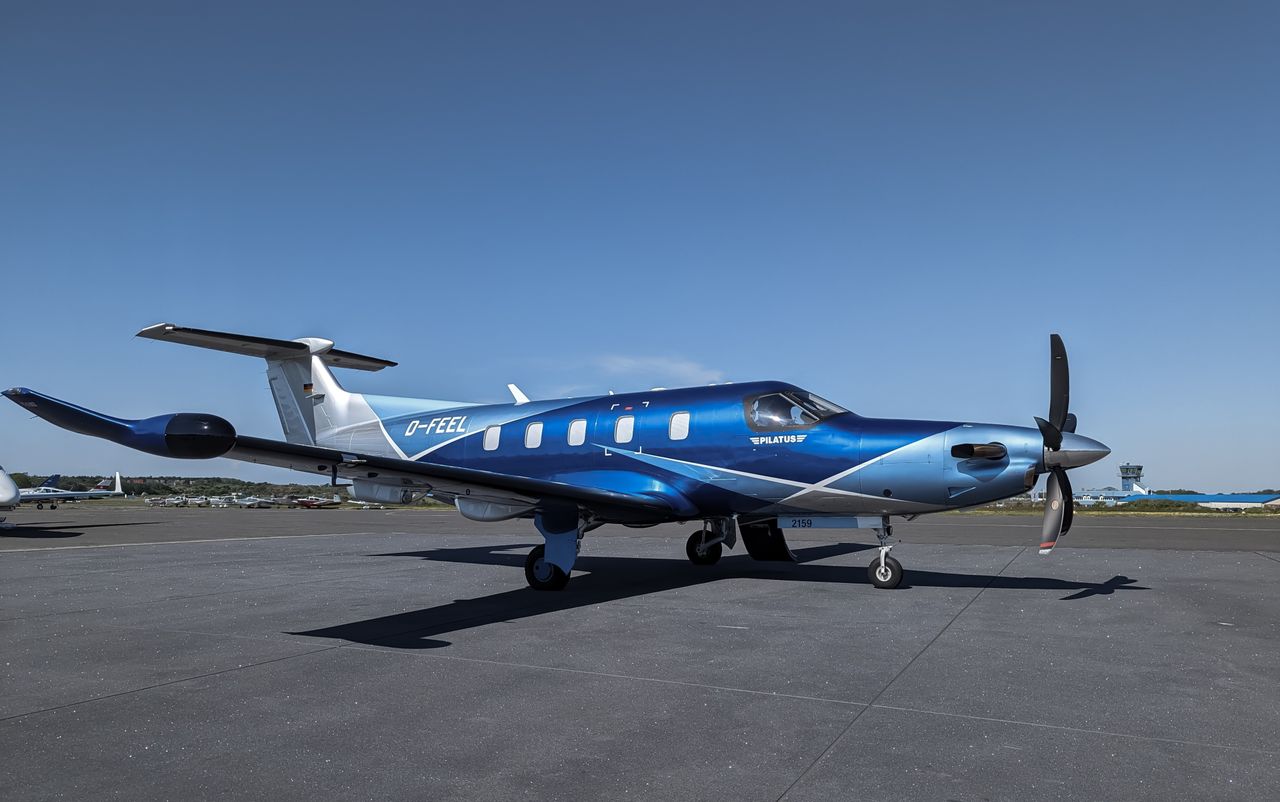
Pilatus PC-24: The Swiss private jet that’s a game-changer.
Bombardier Global 7500: The High-Speed Long-Range Jet
For the most challenging European routes—those that approach the continent’s borders or extend toward the Middle East — the Bombardier Global 7500 offers high cruise speeds and a range that allows it to cover any distance in Europe without a stopover, while maintaining one of the quietest and most comfortable cabins in its class.
It’s the choice of those who fly on routes such as London–Dubai or Paris–Doha — on the border between Europe and the Middle East — where the combination of speed and range makes a real difference in total travel time.
What is meant by “the fastest jet”?
It’s worth clarifying a point that’s often a source of confusion: an airplane’s maximum speed is almost never the speed at which it actually flies during a flight. Cruising speed —the speed maintained for most of the flight—is the figure that really matters, and it’s almost always lower than the Mach number listed in promotional technical specifications.
In addition, on flights between European , the time saved by a faster jet is often offset by the fixed durations of takeoff, climb, and landing —phases during which cruise speed has no effect. The difference becomes particularly significant on routes with flight times exceeding 2–3 hours.
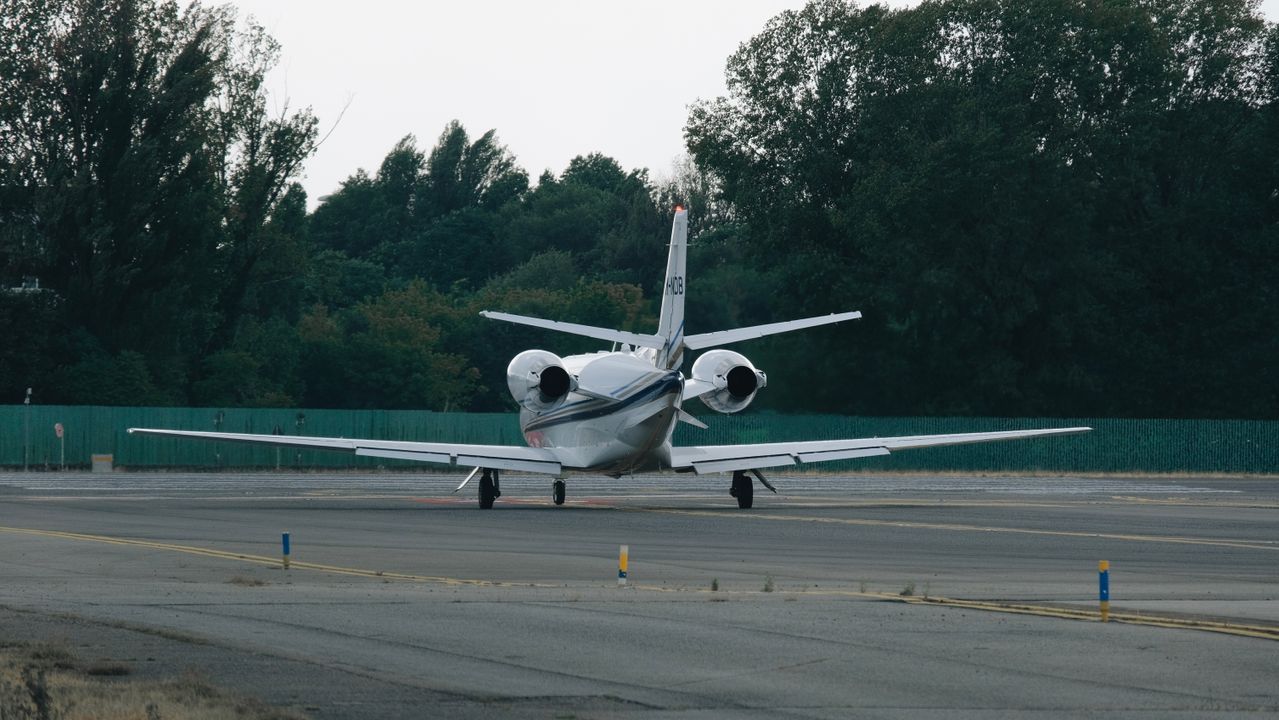
Choose the fastest jet to your destination with PrivateJetFinder
Speed is just one of the factors to consider when choosing the ideal private jet—along with range, comfort, number of passengers, and aircraft category. The team at Privatejetfinder.com can help you identify the most efficient solution for your specific route, balancing flight time and budget.
For a complete overview of all available jet categories: Which Private Jet to Charter: The Best Aircraft for Flying in Luxury
To request a quote or speak with a consultant: Contact privatejetfinder.com